
The House Edge: A Hidden Advantage
One of the best-kept secrets of the gambling world is the concept of the house edge. This mathematical advantage is designed to ensure that casinos consistently make a profit over time. The house edge varies from game to game; for instance, slot machines often have a much higher edge compared to games like blackjack. Players may be drawn to the allure of potentially winning big, but they are often unaware that every bet they place is statistically skewed in favor of the house, making the odds less than favorable, especially at an online casino where the competition can be fierce.
Understanding the house edge can significantly impact how players approach their gambling strategies. Many gamblers may not realize that even small differences in the house edge can lead to substantial fluctuations in long-term profitability. For example, a casino game with a 5% house edge means that, on average, players will lose $5 for every $100 spent. This hidden statistic is rarely communicated to players at the gaming tables, creating a disparity between the casino’s goals and the players’ expectations.
Furthermore, the house edge is not solely a factor of the games themselves but is also influenced by various external factors such as promotions and player incentives. Casinos are known to adjust their offerings to maximize profits, which can further deceive players regarding their chances of winning. By being aware of the house edge and its implications, players can make more informed decisions and enhance their gambling experience while minimizing losses.
The Illusion of Winning Streaks
Another psychological secret that casinos rely on is the illusion of winning streaks. When players experience a series of wins, they often feel a sense of optimism that leads them to believe that their luck will continue. This phenomenon leverages the human cognitive bias known as the gambler’s fallacy, where people assume that past outcomes influence future chances. For example, if a player wins a few rounds on a roulette table, they may think that their luck has changed and continue betting, often leading to greater losses.
Casinos understand this psychological element and design their environments to amplify these illusions. The noise, lights, and celebratory atmosphere serve to reinforce the idea that winning is more commonplace than it actually is. Players are often captivated by nearby winners, making them believe that they too can experience a similar fate. The truth is, winning streaks are often short-lived, and the more one plays, the more the odds tilt in favor of the house.

The unfortunate reality is that many players walk away from the tables feeling they’ve been “on a roll” only to later realize that their initial excitement has led to significant losses. Casinos bank on this phenomenon as it encourages repeat business, with players returning in hopes of capturing that elusive winning streak. Recognizing this illusion can empower players to make more rational gambling decisions and limit the impact of gambling on their finances.
The Role of Comps and Loyalty Programs
Many people are drawn to casinos not only by the games themselves but also by the enticing offers of complimentary items known as “comps.” These can range from free meals and drinks to hotel stays and show tickets. While comps may seem like generous incentives, they are calculated tactics designed to keep players gambling. Casinos closely monitor player activity to determine how much to offer in rewards, and the more you play, the more they are willing to provide—creating a cycle aimed at extending your time on the gaming floor.
Players often underestimate the actual value of these comps and how they can impact their overall gambling experience. For instance, a complimentary meal may encourage a player to stay longer at the casino, which could lead to further gambling losses. Instead of providing a genuine incentive, comps can be viewed as a tool that subtly manipulates players into spending more than they originally intended. This dynamic highlights the importance of maintaining awareness while enjoying the perks offered by casinos.
Moreover, loyalty programs can further entrench a player’s gambling habits. These programs often structure rewards in a way that makes achieving the next tier feel achievable, even to those who may be losing money overall. The desire to unlock higher levels of status can lead players to take on more risk, perpetuating the cycle of gambling for rewards. Being mindful of how comps and loyalty programs can shape behavior is essential for responsible gambling.
The Influence of Environment on Betting Behavior
The physical environment of a casino plays a significant role in influencing betting behavior. From the layout of games to the use of colors and sounds, every element is meticulously designed to evoke certain emotions and behaviors in players. For example, bright lights and upbeat music can create an atmosphere of excitement, leading players to feel more compelled to gamble. Furthermore, the placement of machines and tables is intentional, ensuring that players are constantly enticed by the possibility of winning.
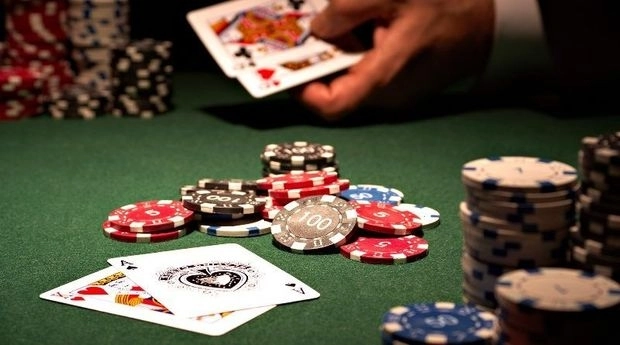
Research has shown that the environment can impact decision-making, leading players to engage in riskier behavior than they typically would outside of the casino setting. The constant barrage of stimulation can override rational decision-making, making it easy for players to disregard their budgets and limits. This carefully curated environment often keeps individuals entrenched in play, contributing to longer gambling sessions and ultimately greater losses.
Understanding the psychological and emotional triggers embedded within the casino environment can help players recognize when they might be succumbing to these influences. By being conscious of how surroundings can manipulate behavior, individuals can develop strategies to mitigate impulse decisions and maintain control while gambling. Creating a mindful approach to gambling allows players to enjoy the entertainment without falling prey to the broader strategies of casinos.
Making Informed Choices for Responsible Gambling
In a world where casinos wield significant influence over players through various psychological and environmental tactics, it is crucial for gamblers to empower themselves with knowledge. Understanding the deeper mechanisms at play can help individuals make informed choices that enhance their gambling experience while minimizing risks. By recognizing the concepts of the house edge, the illusion of winning streaks, the role of comps, and the influence of the gaming environment, players can adopt a balanced approach to their gambling habits.
Moreover, setting personal limits and sticking to them is essential for responsible gambling. Players should clearly define their budget before they begin and avoid the temptation to chase losses. This proactive stance will not only enhance the enjoyment of the games but also prevent the dissatisfaction that often accompanies unplanned losses. Using tools such as self-exclusion programs can offer additional layers of accountability for those who find themselves struggling to adhere to their limits.
Ultimately, awareness of the underlying strategies that casinos employ can significantly alter one’s gambling habits. By making informed choices and prioritizing responsible gaming practices, players can create a healthier relationship with gambling, allowing them to engage in the activity as a form of entertainment rather than a source of stress or financial strain. Everyone deserves to enjoy their time at a casino, but doing so wisely is of utmost importance.